The One Room That Doesn't Need Wi-Fi (and Why It Might Save Your Evenings)
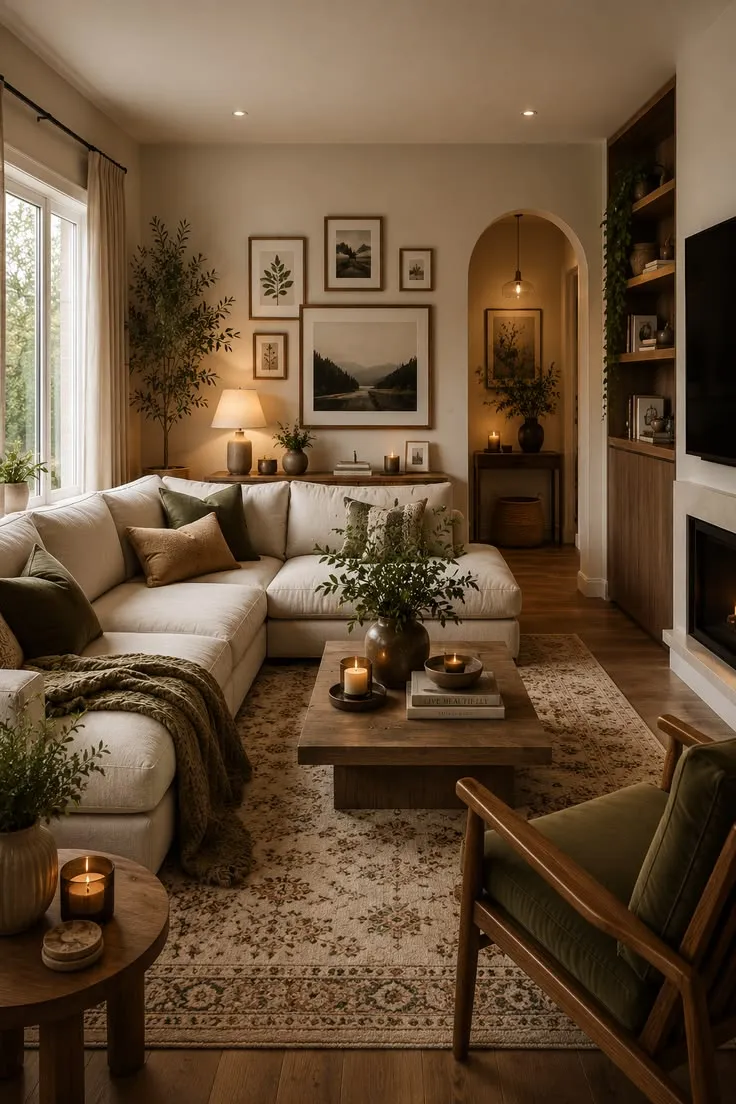
Photo: cozy analog reading room with books and no electronics, warm lamp and armchair, via i.pinimg.com
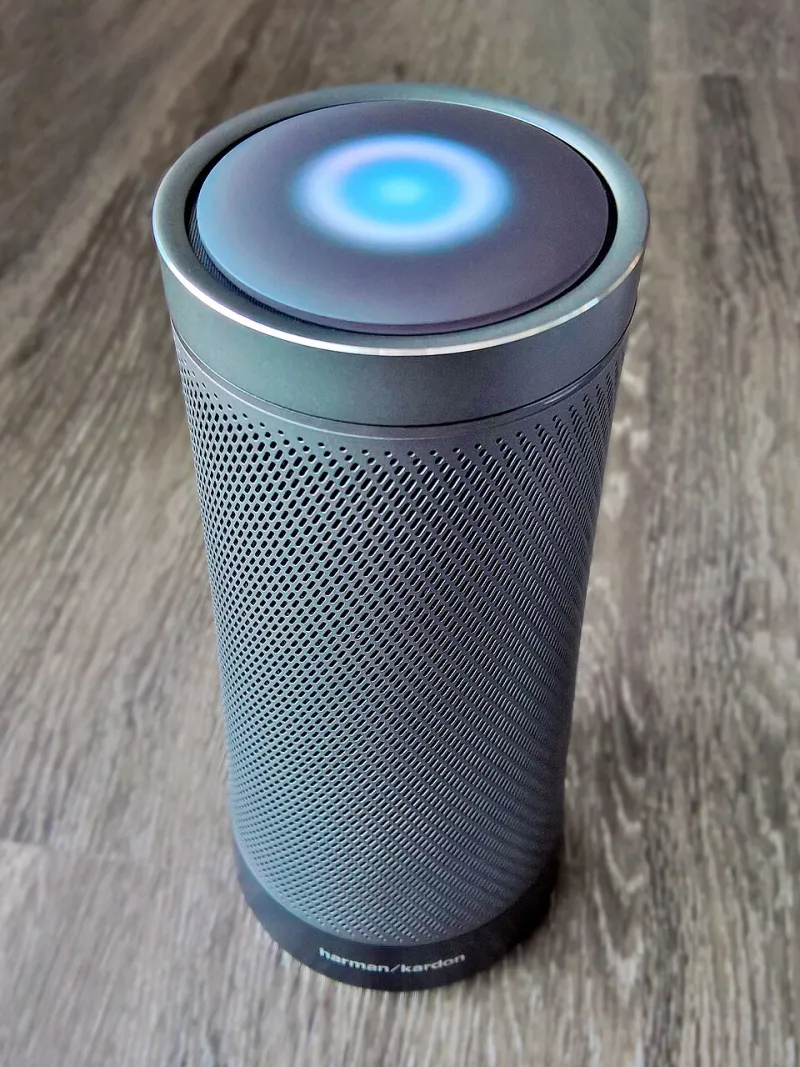
We have spent the better part of a decade making our homes smarter. Lights that listen. Speakers that answer. Thermostats that learn. Doorbells that announce a delivery before the dog does. And somewhere in all that convenience, a lot of us quietly signed up for a house that pings us from every direction. The dumb room rule is the counterweight. It is the idea that one room in your home should have no smart speakers, no app-controlled bulbs, no notification-generating gadgets, and no screens eager for your attention. Not because technology is bad, but because attention is finite.
This is an opinion, so let me say it plainly: the dumb room may be the most useful smart-home move you make this year. It is not a cabin in the woods or a personality trait. It is a room-scale boundary, and it costs almost nothing to try.
What Counts as a Dumb Room
A dumb room is not a tech-free bunker. It is a room where the default is analog. A regular lamp with a regular switch. A clock that ticks. Books, a chair, a plant, maybe a radio that only does radio. No voice assistant, no smart display, no Wi-Fi-connected light strip, no tablet mounted to the wall. If your phone comes in, it arrives in airplane mode or parked by the door. The goal is not zero electricity. The goal is zero interruptions that arrive through the air.
This is different from a whole-house digital detox, which sounds noble and usually lasts until Tuesday. One room is specific enough to actually protect. It is also small enough that nobody has to make a lifestyle speech about it.
Picking the Room (Not the Whole House)
The right room is usually the one you already use for decompression. A small bedroom. A dining nook. A reading corner that is technically part of the living room but feels tucked away. The room needs a door if you have one, but a clear visual boundary can work too. What matters is that it is not the main traffic hub. The kitchen is a bad candidate because it is the relay station of most homes. The living room can work if you can honestly separate the TV zone from the dumb zone, but that is harder than it sounds.
A guest room is a sneaky-good choice. So is a home office that you want to stop answering emails in. The practical test is simple: can you sit in this room for twenty minutes without feeling like you are missing something? If the answer is no, pick a different room.
Setting Boundaries Without a Family Summit
You do not need a laminated charter. You need a few defaults that everyone can remember. The charging station lives outside the dumb room. The smart speaker gets unplugged and moved, not hidden in a drawer where someone will "helpfully" plug it back in. Guests get a heads-up before they settle in, especially if they are used to saying, "Hey, what's the weather?" to the ceiling.
With kids, the framing matters. A dumb room is not a punishment room. It is the room where the good puzzle lives, where the record player works, where nobody has to pause a conversation to check a notification. If your kids are old enough to have phones, a simple parking spot by the door works better than a lecture. If they are younger, the room just becomes the place where the adults are not half-looking at a screen. That is its own message.
The Exceptions That Keep It Livable
Rigid rules break. A medical device that needs connectivity is not a violation. A security system panel that happens to live on the wall is not a smart speaker. A thermostat you cannot realistically relocate gets a pass. An e-reader in airplane mode is basically a book with a battery. A white-noise machine that connects to an app can usually be replaced with a dumb one for about twenty dollars, but if tonight is not the night, unplug it and move on.
The exception that matters most is the phone. Most of us are not going to leave our phones in another room for hours, and that is fine. The dumb room rule works best when it is about the room's default, not your personal purity. Put the phone face down in a basket. Turn on do-not-disturb. Better yet, leave it outside during a meal or a chapter. The room does the reminding for you.
What You Get Back
The payoff is not dramatic, which is exactly why it is easy to miss. You notice a conversation that runs longer than it would have. You notice that you sleep a little better in a room with no blinking router light and no speaker that answers a question nobody asked. You notice the particular quiet of a house where one corner is not waiting for a command. It is not a productivity hack. It is a small correction in a house that has become very good at getting your attention.
There is a practical side, too. One dumb room means one fewer place to troubleshoot a firmware update. One fewer device to reset after a power outage. One fewer thing to explain to a house sitter. Smart homes are wonderful until they are not, and a room that works with a switch and a bulb is a room that always works.
Start With One Unplugged Speaker
You do not have to remodel your habits tonight. Pick a room. Remove the one device that interrupts you most. Put a real clock on the shelf. Tell the household what the room is for, in one sentence, without a slide deck. Try it for a week and see whether anyone misses the technology or just the convenience of asking the ceiling to turn off the lights.
The smartest upgrade in your home might be the one room that does not need Wi-Fi at all. That is not anti-tech. It is pro-attention, which is the thing all those gadgets were supposed to protect in the first place.